



Commercial Solar Installation
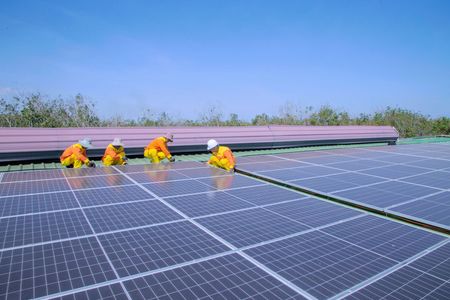
Energy Storage
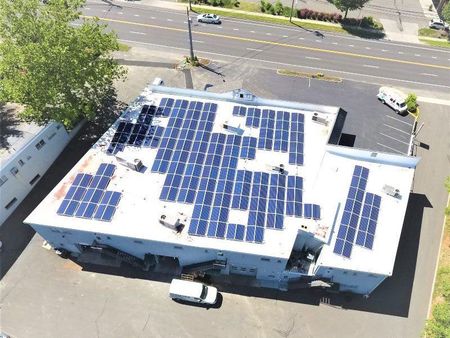
Commercial Solar Maintenance
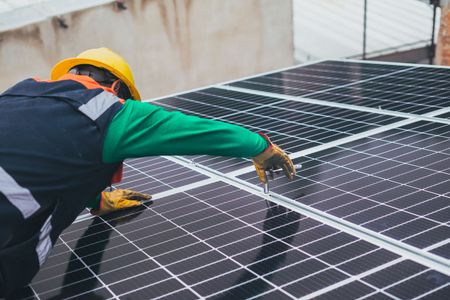
Residential Service
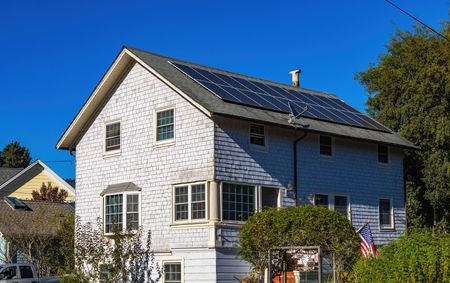

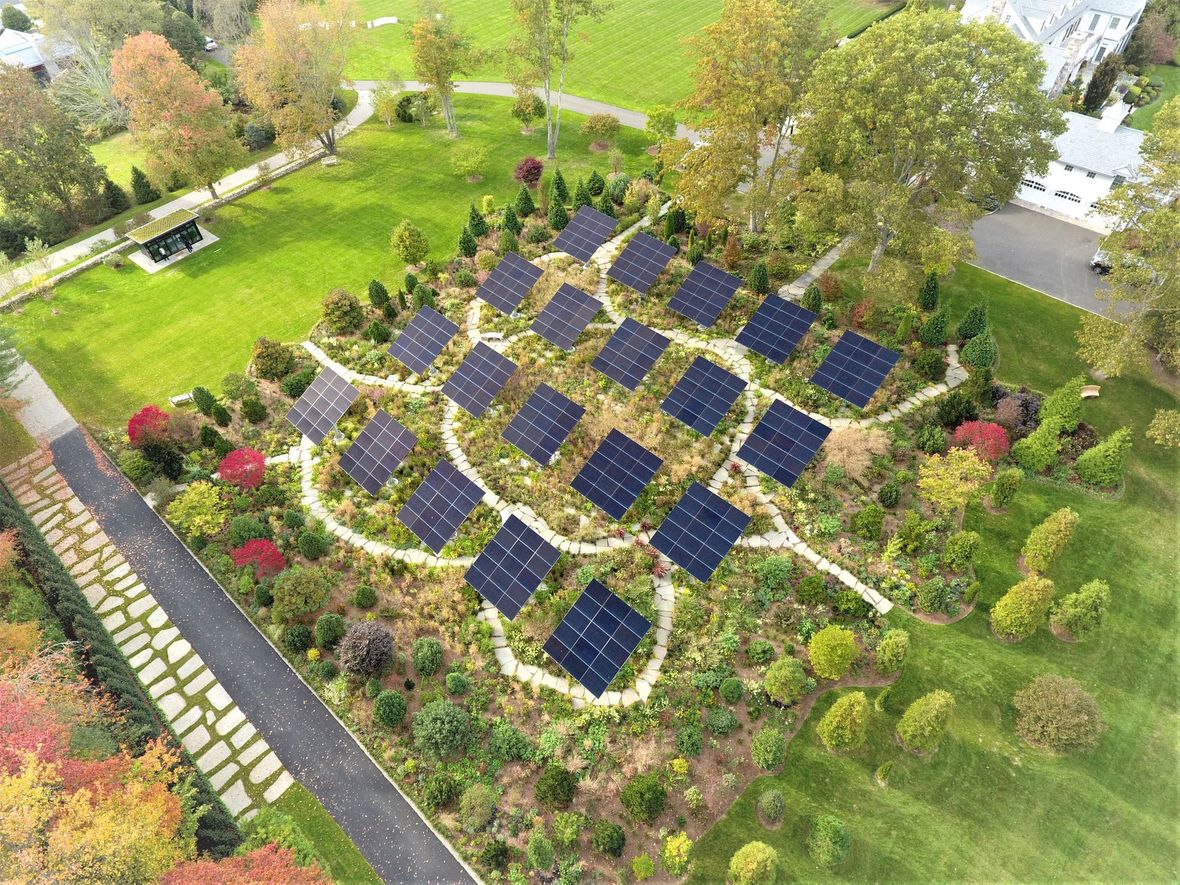
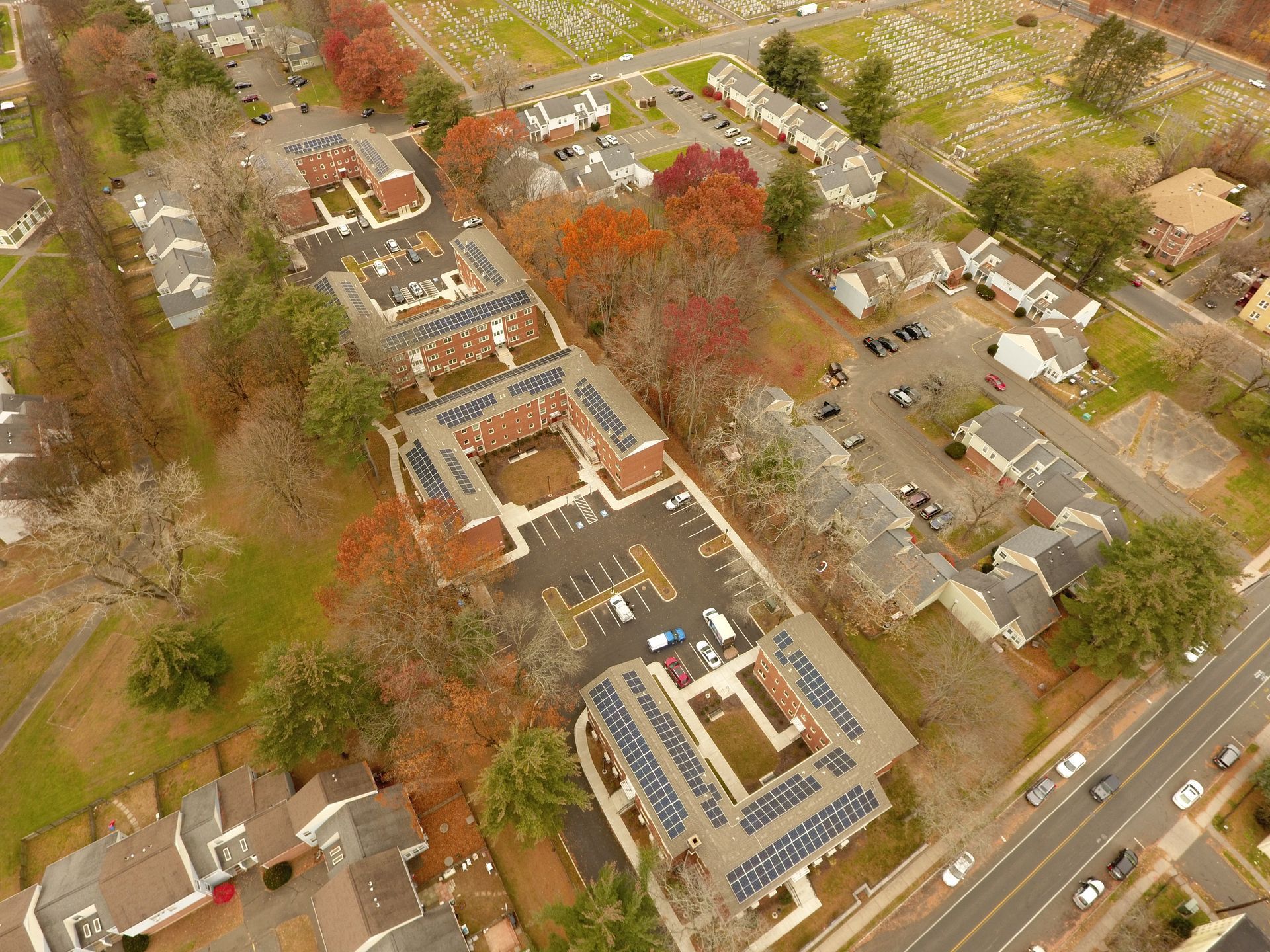
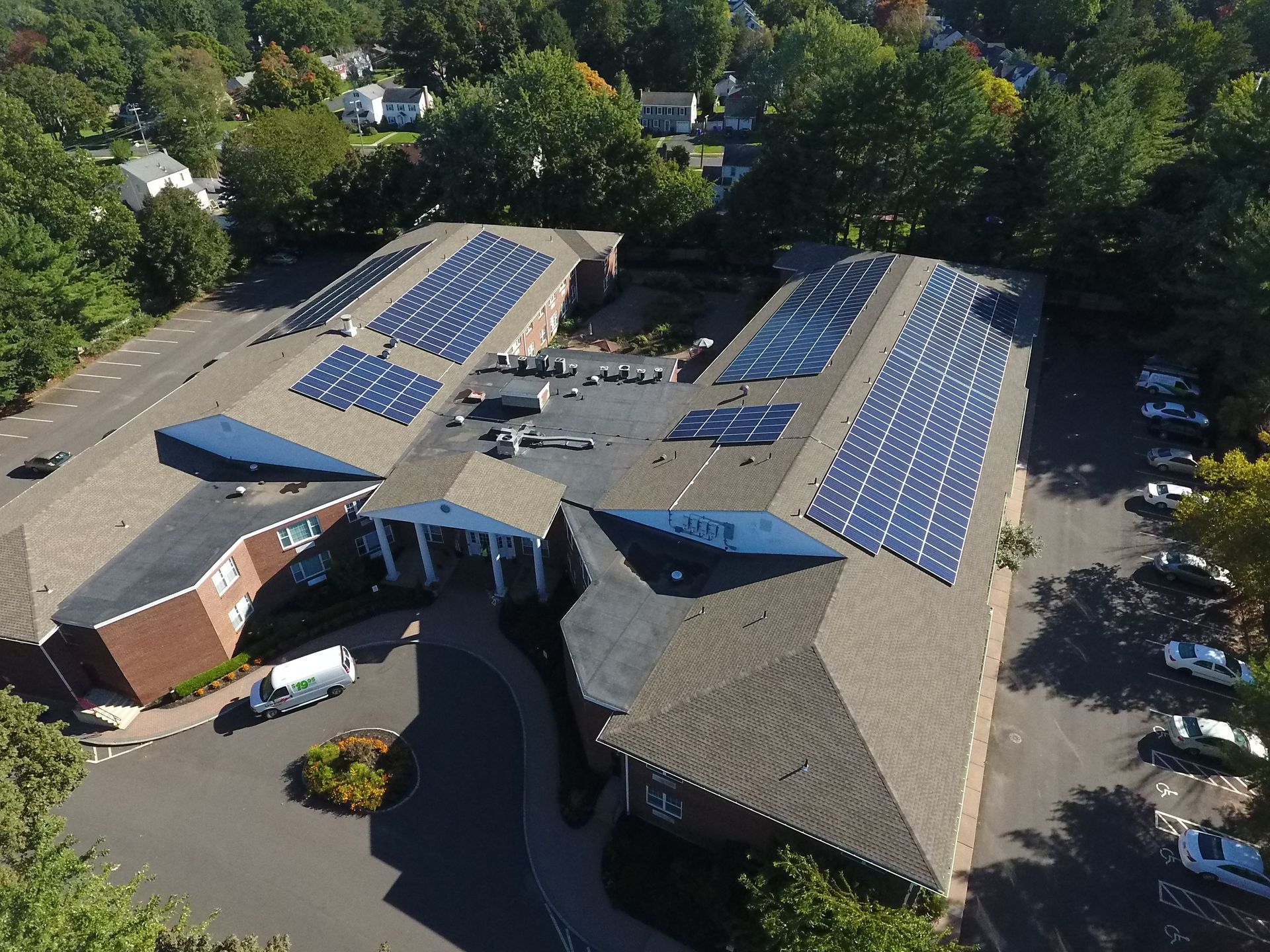
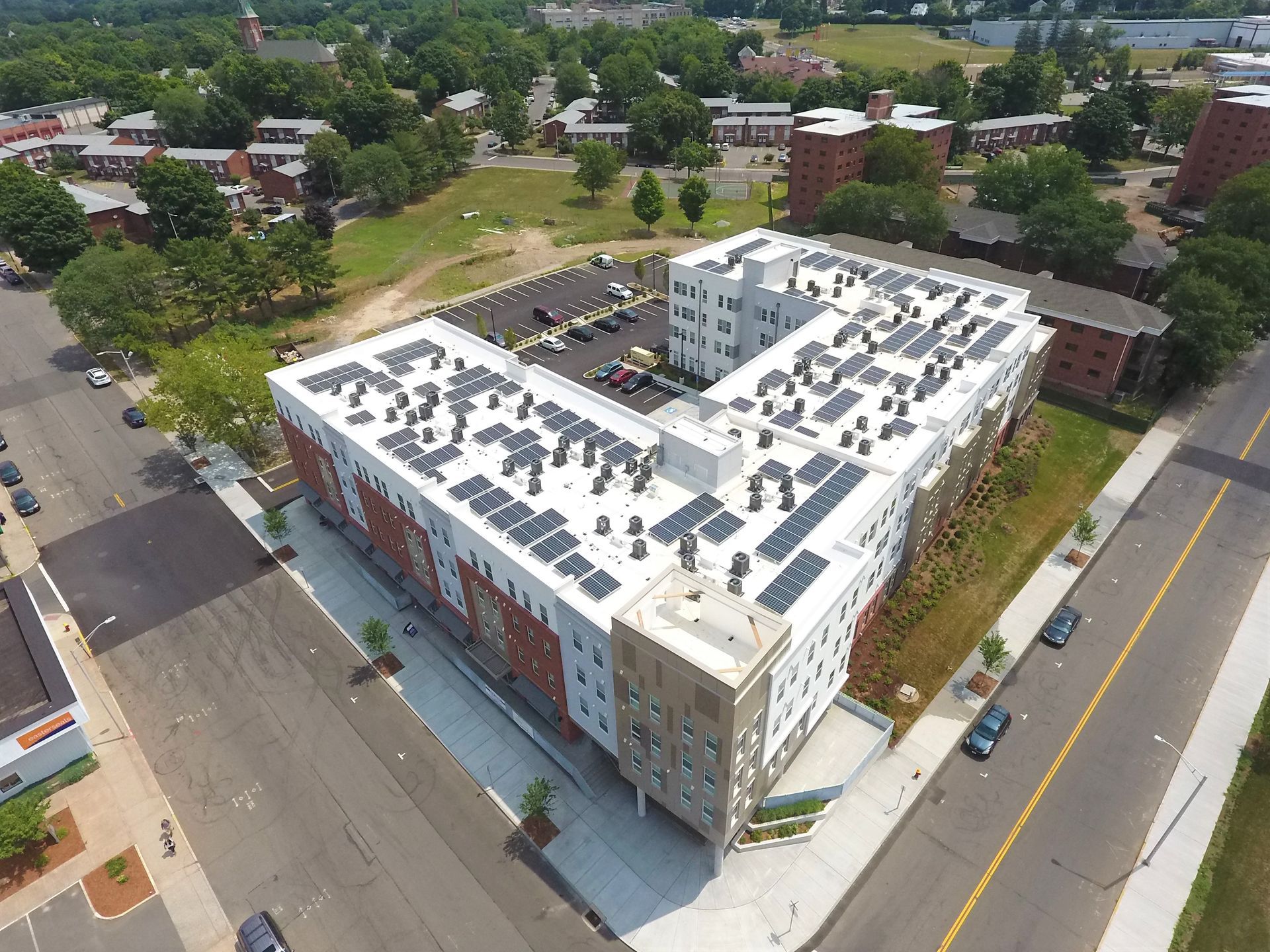

How well is your solar system performing today?
Even a well-designed commercial solar system needs ongoing attention to keep performing as expected. Routine monitoring, inspections, cleaning, troubleshooting, and timely service can help identify issues early and support long-term system reliability.
From panel condition and electrical components to system alerts and production trends, the details still matter long after installation day.
That's where dependable service makes a difference.
Not sure if your system is performing as it should? Talk with PurePoint Energy about commercial solar service, monitoring, and maintenance.
#PurePointEnergy #CommercialSolar #SolarInstallation #SolarPerformance #CommercialProperty #EnergyPlanning #CleanEnergy

Not everything you've heard about commercial solar is true.
From existing buildings to battery storage, successful projects depend on the right site analysis, customized design, and long-term support.
PurePoint Energy helps organizations plan around real property needs with tailored systems, monitoring, maintenance, troubleshooting, and ongoing optimization.
Swipe through to see four common commercial solar myths and the facts behind them.
#PurePointEnergy #CommercialSolar #SolarMyths #BatteryStorage #EnergyPlanning #CommercialProperty #CleanEnergy

For many businesses, the question isn't just how to generate energy—it's how to use it more strategically.
Our latest blog, Solar Plus Battery Storage for Businesses, breaks down how the two technologies can work together to support peak-demand management, load shifting, outage preparedness, and long-term energy planning.
If your organization is evaluating commercial solar, storage, or both, this guide is a practical place to start.
Read the full article to learn what to consider and when a property-specific energy analysis makes sense via the link in bio.
#PurePointEnergy #CommercialSolar #BatteryStorage #EnergyStorage #EnergyResilience #CommercialProperty #CleanEnergy

The strongest projects often start with early coordination between the people shaping the property: architects, builders, electricians, developers, property managers, finance teams, and energy-efficiency partners.
Bringing solar and storage into the conversation early can help teams plan more effectively around building design, renovations, roofing, electrical upgrades, and broader capital improvements.
At PurePoint Energy, we work with strategic partners who understand that commercial energy planning is connected to the bigger picture. When everyone is aligned from the start, it becomes easier to build solutions around the property's real operational and financial needs.
Are you a building or property professional? Let's explore a strategic partnership. 🤝
#PurePointEnergy #CommercialSolar #StrategicPartnerships #PropertyDevelopment #Architecture #Construction #EnergyStorage #CommercialRealEstate #CleanEnergy

What does it take to help create an award-winning, net-positive community?
Eagleville Green is a strong example of how thoughtful planning, collaboration, and clean-energy design can come together in a multifamily development. PurePoint Energy's solar installation contributed to the community's recognition as a 2026 Green Builder Home of the Year Grand Winner.
Projects like this require more than adding solar panels. They depend on aligning the system with the development's goals, site conditions, long-term energy strategy, and the needs of the people who will live there.
For developers, affordable housing teams, and property owners, the takeaway is simple: clean energy works best when it is considered as part of the broader development plan from the start.
Plan Today. Power Tomorrow.
Developers and property teams: Save this project for planning inspiration.
#PurePointEnergy #EaglevilleGreen #CommercialSolar #MultifamilyHousing #AffordableHousing #NetPositive #SustainableDevelopment #CleanEnergy #SolarEnergy

Commercial solar doesn't begin—or end—with panel installation.
From site analysis and engineering to permitting, coordination, electrical work, commissioning, and ongoing monitoring, every stage plays a role in long-term system performance.
A successful project depends on thoughtful planning, skilled execution, and continued support after the system goes live.
Plan Today. Power Tomorrow.
Follow for more commercial project walkthroughs.
#PurePointEnergy #CommercialSolar #SolarInstallation #SolarProject #CommercialProperty #CleanEnergy #EnergyPlanning

Battery storage isn't automatically the right solution for every commercial property. The strongest opportunities often come down to how—and when—your facility uses energy.
Your property may be worth evaluating if you:
• Experience high demand charges
• Pay more during peak-use periods
• Rely on critical operations that could be affected by outages
• Already have, or are considering, commercial solar
• Want greater control over when you draw electricity from the grid
A site-specific energy analysis can help determine whether storage may support your operational, financial, and resilience goals.
PurePoint Energy evaluates utility usage, operating patterns, infrastructure, and long-term priorities to help organizations make informed energy decisions.
Not sure whether storage fits your facility? Start the conversation today via the link in bio.
#PurePointEnergy #BatteryStorage #CommercialEnergy #EnergyStorage #EnergyResilience #CommercialSolar #FacilityManagement

🏢 Commercial Solar: The July 4th Deadline is Coming. Is Your Business Ready?
In the world of commercial solar, timing is everything. If you’ve been considering a solar project for your facility, now is the moment to move from "planning" to "contracting."
Under the current tax rules (the Section 48E Investment Tax Credit), the July 4, 2026 deadline is a critical "Safe Harbor" cutoff. By contracting and beginning construction with us before this date, you can lock in massive financial advantages that may not be available for projects starting later this summer.
Why July 4th Matters for Your Bottom Line:
Lock in the 30%–40% Tax Credit: Securing your "beginning of construction" status by July 4th preserves your eligibility for the full tax credit, even if the system isn't fully operational until later.
Avoid the 2027 "Placed-in-Service" Trap: Projects starting after July 4th face a much stricter deadline—they must be fully operational by December 31, 2027, or risk losing these federal incentives entirely.
The 5% Safe Harbor Advantage: For systems under 1.5 MW AC, we can help you satisfy the "5% Cost Test" now. This protects your credit and gives us a flexible 4-year window to complete your installation without the stress of a looming expiration date.
Don't Leave Money on the Table 📉
Waiting until the end of the year could mean shorter timelines, higher equipment costs, and the potential loss of hundreds of thousands of dollars in tax benefits.
Partner with us today to:
✅ Finalize your design and EPC agreement.
✅ Secure FEOC-compliant equipment.
✅ Execute the necessary spend to "Safe Harbor" your project before the July deadline.
Ready to secure your energy future? Send us a DM or visit our website to schedule a commercial consultation. Let's get your project locked in before the fireworks start! 🎆⚡
Call 203-642-4105
www.purepointenergy.com
#CommercialSolar #SafeHarbor #SolarITC #RenewableEnergy #EnergySavings #CleanEnergy2026 #BusinessSustainability

☀️ Spring Has Sprung! Is Your Solar System Ready?
The flowers are blooming, the days are getting longer, and that beautiful spring sun is finally back in action! 🌸✨
Now that we’re shaking off the winter chill, it’s the perfect time to ensure your solar energy system is primed to soak up every possible kilowatt-hour. Winter storms, fallen debris, and that thick layer of spring pollen can significantly "choke" your energy production.
Let us do the heavy lifting! 🛠️
Our team of experts is ready to perform a comprehensive Spring Performance Inspection to make sure your system is producing its absolute best. We don't just look at the hardware—we get your system sparkling:
Deep Clean & Pollen Removal: We’ll wash away the grime, dust, and yellow pollen that block the sun from reaching your cells.
Full Debris Clearance: We’ll clear out leaves, twigs, and any nesting that accumulated over the winter.
System Diagnostics: We check your inverter and wiring for any hidden "winter wear and tear."
Shading Analysis: We’ll identify if any new spring growth is casting shadows on your array.
Ready to maximize your sunshine? ⚡🌱
Don't let a little dirt cost you money on your utility bill! Comment below or send us a DM to book your professional spring cleaning and inspection today! 📅
(203) 642-4105
www.purepointenery.com
#SolarEnergy #SpringMaintenance #SolarCleaning #RenewableEnergy #CleanEnergy #SolarInspection #GoGreen

Is your solar array ready for peak season? 🌸
Spring is officially approaching us, but is your system actually ready for it? After a harsh winter, dirt and debris can create a "film" over your panels, blocking the sun and costing you money.
Maximize your production this summer with a quick tune-up:
Professional Cleaning: Remove stubborn winter grime.
System Inspection: Ensure everything is running at 100%.
Give us a shout today to get on the schedule! 🗓️203-642-4105

From buried to bright! Check out these before and after shots from our snow removal projects this week. ❄️➡️☀️
Don't let a little winter weather stall your energy savings. Whether you need a mid-winter clear-out or want to schedule a professional cleaning to prep for the spring sun, we’ve got you covered. Message us today for a quote!

Snow-covered solar panels = $0 in energy savings. But climbing a ladder in the winter is a major safety risk. Let the experts at PurePoint Energy clear the way!
Our team provides fast, professional snow removal to get your system back up and running.
❄️ Need a quote? Give the Solar Squad a call at (203) 642-4105 and we’ll get you back on the grid!

❄️ NOR’EASTER ALERT: Solar System Performance ❄️
With the major storm hitting the East Coast this weekend, you might receive alerts from your solar monitoring app regarding “Low Production” or “Temperature Fluctuations.”
Don’t be alarmed! This is expected during extreme winter weather. Heavy snow and sub-zero temperatures can cause temporary sensor alerts or system pauses.
What you should do:
Wait for the thaw. Once the snow slides off and temperatures stabilize, your system is designed to automatically resume normal operation.
⚠️ SAFETY FIRST: We do not advise climbing on your roof to clear snow. Solar panels are extremely slick, and roof conditions are dangerous during a nor’easter. The sun is your best friend here—it will melt the bond between the snow and the glass, and it will slide off on its own!
Check back later. If your system hasn’t cleared its alerts 48 hours after the sun returns and the panels are clear, please contact our service department for assistance.
Stay warm, stay safe, and let the sun do the heavy lifting! ☕🏠

The holidays are brighter when we come together. 🎄
Purepoint Energy was honored to partner with Sound Control Technologies again this year for our 2nd Annual Foster Kids Toy Drive. With their help—and an outpouring of last-minute donations—we were able to provide Christmas gifts to 72 foster children in Connecticut.
A big thank you to Sound Control Technologies for teaming up with us once again and helping spread joy where it matters most. 🎁✨

As Thanksgiving approaches, we want to take a moment to express our sincere gratitude for our incredible customers and supporters. Your trust and loyalty mean the world to us. 🙏
Our office will be closed on Thursday, November 27th, and Friday, November 28th, so our team can unplug and enjoy time with our families.
We encourage you all to do the same—put the devices down, recharge, and enjoy the moments that truly matter. We'll be back in the office on Monday.
Happy Thanksgiving! 🧡

☀️ Selling a Home with Solar? Turn Your Panels into a Premium Feature! 🏡
If you're a homeowner or real estate agent selling a property with an existing solar system, you know the panels are a huge selling point. But how do you prove they're in perfect working order to a potential buyer?
Introducing the Affordable Solar Inspection & Report Package!
We offer a complete, professional solar inspection and report that does more than just check the boxes—it adds massive value to your listing!
What You Get (A Buyer's Dream!):
✅ Full System Inspection: A professional assessment to ensure the solar system is operating efficiently and safely.
📝 Detailed, Branded Report: A polished, "pretty package" that you can present to the new homeowner.
💡 New Homeowner Guide: This invaluable section includes:
A simple explanation of how the solar system works.
Essential maintenance tips for longevity.
A Q&A section to ease common first-time solar owner concerns.
Why This Is Your New Selling Edge:
Builds Buyer Confidence: Eliminates concerns about the system's condition and performance.
Stands Out from the Crowd: An inspected system is a premium selling feature that justifies the home's value.
Smooths the Closing Process: Proactive documentation minimizes last-minute inspection surprises.
Don't wait! Protect your sale and delight your buyer.
Whether you are selling a home with solar, or buying a home and want this inspection done during your due diligence window, we've got you covered.
📞 Call Us Today to Schedule Your Solar Inspection! www.purepointenergy.com 203-642-4105
#SolarHome #RealEstateAgent #HomeSellerTips #SolarInspection #AddedValue #RealEstate

❄️ Don't Let Winter Surprise Your Solar System! ☀️
Calling all Solar homeowners and business owners!
The cold is coming, and soon we'll see those first flakes of snow. While your solar panels are tough, a little pre-winter maintenance goes a long way to ensure they keep performing at their peak, no matter the weather.
Why Schedule Your Pre-Snow System Check NOW?
Maximize Winter Production: We'll check for any shading issues, clean the panels, and ensure every component is working perfectly to capture those shorter winter daylight hours.
Protect Your Investment: Our expert team will inspect all mounts, wiring, and inverters for any wear or potential weak spots that could be compromised by heavy snow or ice.
Prevent Costly Repairs: Identifying minor issues now is much easier and cheaper than fixing a full-blown problem in the middle of a blizzard!
Peace of Mind: Relax knowing your system is certified 'Snow-Ready' by the Solar Squad professionals.
👉 Spaces are filling up fast! Get on our schedule before the snow flies.
Click the link below or call us today to book your Solar System Winter Maintenance check-up!
https://purepointenergy.com/solar-squad-commercial/
Call today: 203-642-4105
#SolarSquad #SolarMaintenance #WinterReady #GoSolar #CleanEnergy #SnowPrep #SolarPower

We love to celebrate our team for living our core values, and we love to give back! 🌟
At PurePoint, our peer-to-peer recognition program honors employees who go above and beyond. Each quarter, all nominees are entered into a drawing, and the winner selects a local Connecticut charity for a $500 donation from our company.
We are thrilled to announce this quarter's winner is our Operations Manager, Rachel Anderson!
Rachel chose to donate to the Connecticut Alliance of Foster and Adoptive Families (CAFAF). This cause is incredibly near and dear to her heart, as Rachel herself grew up in foster care.
Thank you, Rachel, for your outstanding work and for choosing such a meaningful organization. We are proud to support CAFAF and their vital mission!
#PurePoint #GivingBack #EmployeeRecognition #CoreValues #CommunityDonation #Connecticut #CAFAF #FosterCareAwareness #TeamCulture

Turn Your Connecticut Commercial Property into a Profit Center—Zero Investment Required.
For Connecticut commercial property owners, the roof isn’t just a cover—it’s an untapped asset. As a leader in commercial and multifamily solar, PurePoint Energy helps you transform your property with custom energy solutions.
We don’t just reduce your costs; we create a revenue stream. Through a qualified power purchase agreement (PPA) or lease, qualified business owners can monetize unused space, generate passive income, and significantly increase property value—all with NO out-of-pocket money down.
Contact PurePoint Energy today to discover how we’re helping property owners across Connecticut get paid for the solar energy produced on their assets.
#SolarEnergy #CommercialSolar #MultifamilyHousing #ConnecticutRealEstate #PropertyInvestment #ZeroDownSolar #PurePointEnergy
Call Today (203)-642-4105

Sweater weather is coming! 🍂 As we welcome fall, it's the perfect time to wash away the summer. All that dust, pollen, and debris has been baking onto your solar panels, blocking precious sunlight.
A professional cleaning ensures you capture every possible ray of sun, which is especially important as the days get shorter. We recommend cleaning your panels twice a year to get the most out of your investment.
Now is the time for that second cleaning! ✨
Ready for peak production this fall? Call us today to schedule your service!
📞 203-642-4105 🌐 www.purepointenergy.com
#SolarPanelCleaning #FallMaintenance #SolarEnergy #CleanEnergy #MaximizeProduction #SolarPower #AutumnVibes

Wishing you a happy, safe, and fun filled Labor Day. PurePoint Energy is closed today.

Another satisfied customer! We recently performed maintenance on a system we installed several years ago, and we're proud to report it's operating at peak efficiency.
For all your commercial and residential solar service needs, please contact our service department.
Here is some feedback from the client:
#SolarPower #CommercialSolar #ResidentialSolar

Feeling stranded with your SunPower system? You're not alone.
We know the recent changes in the solar industry have left many SunPower owners wondering who to call for service and support. Your investment is too important to be left unmanaged.
That's where we come in. The PurePoint Solar Squad is here to help! Our expert technicians are trained to service and maintain SunPower systems. We can even help you navigate select warranty issues to ensure your system continues to perform at its best.
Don't let uncertainty leave you in the dark. Protect your investment and get the peace of mind you deserve.
➡️ Contact us today for a system check-up!
📞 203-642-4105 Ext811 (Solar Squad)
💻 www.purepointenergy.com
#SunPower #SolarService #SolarMaintenance #SunPowerWarranty #ProtectYourInvestment #SolarRepair #CTSolar #PurePointSolarSquad

Winter is coming! ❄️
As the days get shorter and the temperatures drop, it’s a perfect reminder that winter is right around the corner. If you have solar panels, now is the ideal time to think about protecting your investment and your property from the season’s heavy snowfall.
Did you know that without snow guards, large sheets of snow and ice can slide off your solar panels all at once? This “solar avalanche” can cause serious damage to anything below, including landscaping, cars, and even people.
Installing snow guards offers a simple, effective solution!
Here’s why you should consider them:
* Safety: Prevents sudden, dangerous avalanches of snow and ice from sliding off your roof.
* Protection: Safeguards valuable property like landscaping, walkways, and vehicles.
* Longevity: Reduces the stress on your gutters and roofline, potentially extending their lifespan.
Don’t wait until the first big snowstorm hits. Get ahead of the weather and ensure a safer winter for everyone around your home.
Contact us for a quote today!
#SnowGuards #SolarPanels #WinterPrep #SolarEnergy #HomeSafety #RenewableEnergy #ProtectYourInvestment

A huge shout-out to our technician, Bryant, and the whole PurePoint team! This is the standard of service we strive for every day. Thank you for making us proud! #Teamwork #JobWellDone

What a week! 🎉 We successfully completed our very first solar panel cleaning job with our brand-new equipment and we couldn’t be prouder of the results! Our team worked hard and efficiently, cleaning over 260 panels and leaving them sparkling clean and ready to maximize energy production.
If you’re looking to get the most out of your solar investment, now’s the time to schedule a cleaning!
📞 Call us today at 203-642-4105 or visit our website www.purepointenergy.com to learn more and book your service!

Ever wonder what really speeds up a commercial solar project? It’s often about more than just the panels! At Purepoint Energy, we invest heavily in building robust, trusting relationships with utility providers. This proactive approach helps us navigate approvals smoothly, streamline interconnections, and ultimately, get your business to construction and clean energy production quicker. Ready for a faster path to solar? Contact us today! 203-642-4105 #SolarPower #BusinessSolar #CleanEnergy #PurepointPartnerships

"🚨 For Commercial Projects 1MW+: Don't let valuable tax credits slip away! 🚨
If your business is planning a large-scale solar installation (1 megawatt or more), understanding 'Safe Harbor' is critical. By commencing construction now – often by incurring just 5% of project costs – you can lock in the current 30% Investment Tax Credit (ITC) and ensure your project qualifies for maximum federal incentives, even if completion is in a future year.
This is your opportunity to secure significant savings for a multi-year project. Our experts specialize in navigating these complex regulations to ensure you maximize your ROI.
📞 Ready to secure your solar future? Contact us for a personalized safe harbor strategy session! 203-642-4105 www.PurePointEnergy.com
#CommercialSolar #SafeHarbor #SolarTaxCredits #LargeScaleSolar #BusinessInvestment #CleanEnergy #RenewableEnergy #ActNow #ITC"

Are you getting the most out of your commercial solar investment? Without proper monitoring, you could be missing out on crucial performance insights and potential savings. PurePoint Energy provides 24/7 intelligent monitoring for your solar project, identifying issues fast and optimizing energy output. Focus on your business, and let us handle the solar. Learn more! www.purepointenergy.com
#SolarOptimization #EnergyEfficiency #PurePointEnergy #SustainableBusiness

☀️ Summer is here, and it's time to get the most out of your solar panels! ☀️
Did you know that bird mess and accumulated debris can significantly reduce your solar energy production? Don't let grime steal your summer savings!
Clean panels mean maximum efficiency, leading to more power for your home and lower energy bills. Our expert Solar Squad is here to help you get your panels sparkling clean and performing at their peak!
📞 Call us today for more information: 203-642-4105
📧 Or email us: solarsquad@purepointenergy.com
#SolarPanelCleaning #SummerEnergy #CleanEnergy #SolarPower #PurePointEnergy #SolarSquad #NorwalkCT #RenewableEnergy

Commercial Solar Owners: Is your system truly performing? 📉 Downtime can crush your bottom line. Our advanced monitoring ensures your solar assets are always maximizing output, preventing costly outages and damage. Save money, stay productive. Learn more: https://purepointenergy.com/solar-squad/
#CommercialSolar #SolarMonitoring #EnergyEfficiency #BusinessSavings

Meet Chris Lobdell, our amazing Project Development Manager! 🎉
Chris joined PurePoint in 2009 and quickly fell in love with solar energy. With over a decade in solar operations, he’s played a key role in shaping our company and now leads our pre-construction efforts on exciting projects! 🚀
Originally from Connecticut, Chris now lives outside Philadelphia with his wife and three kids. When he's not driving renewable energy forward, he enjoys playing platform tennis and spending time with loved ones. 🎾❤️
Fun fact: Chris captains his platform tennis team during the season! 🏆
Join us in celebrating Chris’s journey and dedication! 🌍💚
#TeamPurePoint #SolarEnergy #ProjectDevelopment #PlatformTennis #FamilyMan #EcoWarrior

Teamwork makes the dream work! Here’s our amazing Solar Squad after successfully completing the removal and reinstall process of solar panels on one of our projects at the farm in Washington, CT! 💪🚀
A huge shoutout to our dedicated team for their hard work and commitment to delivering top-notch solar solutions! We’re proud to bring renewable energy to our community, one project at a time. 🌱⚡️
#SolarSquad #Teamwork #RenewableEnergy #WashingtonCT #PurePointSolar #SolarPower

We're thrilled to share this recent review from Steve Lopes regarding our work with their company in the New Haven area!
With over 1,200 apartments, they entrusted PurePoint with the installation of solar projects on 15 of their buildings, and we're proud to say that the experience was nothing short of exceptional.
Thank you, Steve, for your trust in us! 🌞💼 Your support inspires us to continue delivering first-class solar solutions!
#ClientAppreciation #SolarEnergy #Testimonial #PurePointSolar #Sustainability

Meet Greg Minchik, our talented Solar Quality Specialist! 🎉
With a BA in Environmental Earth Science (concentration in Sustainable Energy) and a minor in Astronomy from Eastern Connecticut University, Greg's passion for alternative energy shines bright! 🌍✨ His love for sustainable solutions led him to pursue a program that fuels his enthusiasm for making a positive impact on the planet.
When he's not ensuring the highest quality in our solar projects, you'll find Greg getting creative with his hands. Whether he’s building intricate models, working on his car, or diving into his woodworking passion, he’s always crafting something amazing! 🛠️🌟
Here's a fun fact: Greg has transformed his woodworking hobby into a small business, creating custom furniture and unique pieces that bring joy to others! He started this journey about three years ago, and his passion for it has only grown since! 🙌🪑
Join us in celebrating Greg’s commitment to sustainability and his incredible creative spirit! 🌱💚
#TeamPurePoint #SolarQuality #SustainableEnergy #AlternativeEnergy #Craftsmanship #Woodworking #CustomFurniture #EcoFriendly #PassionProject #AstronomyLover #HandsOn #CreativeMind #NorwalkCommunity #Inspiration

Ever wondered how we ensure your solar systems are running at their best? In this video, watch our dedicated team test optimizers with bad voltages and make the necessary fixes to keep your energy flowing smoothly! 💡🌞
Our commitment to quality and efficiency means you can trust us to handle every detail of your solar installation.
👉 Check it out and see the magic happen!
If you have any questions about solar optimizers or troubleshooting, drop them in the comments! ⬇️
#SolarSquad #PurepointEnergy #SolarPower #BehindTheScenes

🌞 This or That! 🌞
We're curious to know your preference: Do you prefer Ground Mount solar panels or Roof Mount solar panels? 🤔💚
Vote by commenting "Ground" or "Roof" below!
And we want to see your solar setups! Share a photo of your solar panels in the comments! 📸✨
Let's see those sunny installations!
#SolarPoll #PurepointEnergy #GoSolar #GroundMount #RoofMount #ConnecticutSolarPanels

Introducing Tyler Hawkins, our dedicated Project Manager! 🌟
From installer to project manager, Tyler's journey in the solar industry is fueled by his passion for helping others and embracing the challenges of leadership. When he's not driving projects to success, you can find him enjoying quality time with family and friends, hitting the volleyball court, or exploring the great outdoors.
Fun Fact: Tyler is an avid snowboarder! 🏂 He loves the thrill of reaching the top of the mountain and soaking in the breathtaking views, which helps him unwind and feel a deeper connection to nature.
We're grateful to have Tyler on our team! 🙌
#EmployeeSpotlight #Teamwork #SolarIndustry #PassionForNature

As we look towards the future, the benefits of solar energy continue to shine brighter than ever! For business owners in Connecticut, investing in solar in 2025 can lead to significant cost savings, increased property value, and a positive environmental impact.
With state incentives, federal tax credits, and decreasing installation costs, now is the perfect time to consider going solar. Not only can solar help reduce your monthly energy bills, but it also demonstrates your commitment to sustainability—an increasingly important factor for customers and clients alike.
Join the growing number of businesses making the switch to solar and harness the power of the sun to fuel your success! ☀️💼
Curious about how solar can benefit your business? Let’s chat!
#SolarEnergy #SustainableBusiness #ConnecticutSolar #GoGreenIn2025

Watch as PurePoint Energy's Solar Squad puts inverters to the test!
Our experts are checking voltage levels to ensure your solar system runs at peak performance.
Discover how we keep your energy flowing smoothly! 🌞
#SolarSquad #InverterTesting #RenewableEnergy #PurePointEnergy #SolarExperts

Meet Daniel Scarozza, our incredible Business Development Manager!
After an amazing 20-year journey as a freelance musician in the vibrant streets of New York City, Daniel decided to make a bold leap into the world of renewable energy! 🌱✨
His passion for learning about alternative and renewable energy sources ignited a spark that led him to enroll in classes at Norwalk Community College, and he hasn't looked back since! 🚀
At PurePoint Energy, Daniel has worn many hats – from solar technician to project manager – and now he’s driving our sales to new heights! 📈💡
When he’s not championing sustainable energy, Daniel enjoys quality time with his wonderful wife and two kids in Norwalk. And here’s a fun tidbit: he loves tackling those challenging 1000-piece puzzles on cozy winter weekends! 🧩❄️
Join us in celebrating Daniel’s inspiring journey and his commitment to a greener future! 🌍💚
#TeamPurePoint #RenewableEnergy #MeetTheTeam #CleanEnergy #GreenLiving #inspiration #PurePointEnergy

Did you know you do not need PurePoint Energy to have installed your solar system in order to call our service department?
When you invest in a premium solar system, the last thing you expect is for it to fail. Many people rely on warranties, but what happens if the company that installed your system is no longer in business, or you simply don’t trust them?
Adding to the concern, most installation companies only offer a two-year warranty.
That’s where PurePoint Energy Solar Squad comes in.
We have been in business since 2007 and bring a collective of 95 years of experience in the solar industry and expertise as licensed electricians on staff and certified solar techs.
Our team is here to help! We've worked with a wide range of inverters, panels, and battery systems, making us fully qualified to diagnose and repair your system to the high standards you deserve.
#SolarService #SolarRepair #SolarTroubleshooting #SolarMaintenance #SolarExperts #RenewableEnergy #CleanEnergy #SolarPower #PurePointEnergy #SolarSquad

Curious about how our Solar Squad handles inverter failures? 🌞⚙️
Step behind the scenes as our experts troubleshoot and resolve issues to ensure your solar system stays powered up!
#SolarSquadChronicles #InverterRepair #ExpertTroubleshooting

Ready to make the switch to solar and save BIG? At PurePoint Energy, we’re offering exclusive deals that make transitioning to clean energy more affordable than ever!
Why choose PurePoint Energy?
- Incredible deals that make solar more accessible and cost-effective.
- Top-quality installations designed to maximize efficiency and savings.
- Tailored solutions for businesses and farm owners looking to reduce their energy costs.
Don't miss out on the chance to harness the power of the sun while saving on your energy bills.
Get in touch today to learn more about us and start your journey toward a brighter, greener future!
#SolarDeals #PurePointEnergy #RenewableEnergy #CleanEnergySavings #SolarPower #Sustainability

Our solar expert recently shared insights on one of PurePoint Energy’s challenging project in New Canaan, CT.
The project presented two major challenges - it involved integrating a commercial-sized system for a residential property and required meticulous planning due to its unique customization.
The client had a distinct vision for solar integration on their property, making communication and coordination crucial for project success.
Ensuring everyone understood and aligned with the vision was key to overcoming these challenges and completing the project successfully.
The customer's satisfaction with the project results is a testament to the dedication and teamwork that drove the successful solar integration, highlighting the transformative impact of sustainable energy solutions. ☀️🌿
#SolarIntegration #ProjectChallenges #ClientVision #CommunicationKey #SolarSuccess

We’re here to service your residential and commercial solar systems, whether or not we handled the installation.
Contact us today for reliable solar system maintenance and support!
#solarmaintenance #solarsupport #renewableenergy #solarsquad #greenenergymaintenance #purepointenergy

Locally owned and operated as part of Purepoint Energy, our team includes NABCEP-certified professionals with a combined 95 years of experience. Our mission is to help local businesses and homeowners achieve energy independence, save money, and contribute to a healthier planet.
Our dedicated service department, known as the Solar Squad, is here to handle all your operational and management needs.
Below is a list of the services we offer:
Residential -
* Solar Panel Removal & Reinstallation
* Critter and Snow Protection for Your Solar Panels
* Real Estate Solar Services
* Solar Panel Cleaning
Commercial -
* Preventative Operations and Maintenance
* Third-Party Corrective Repairs and Inspections
* Solar Removal and Reinstall
Looking for reliable, expert solar service in CT? Choose Solar Squad for all your solar needs! From panel cleaning and maintenance to repairs and inspections, our experienced team ensures your system performs at its best. Trust us to protect your investment with quality, safety, and efficiency. Contact Solar Squad today and experience the difference!
#SolarSquadCT #solarservices #RenewableEnergy #PurePointEnergy

Wishing our PurePoint Energy community a joyous holiday season filled with warmth, happiness, and renewable energy cheer! May your celebrations be merry and bright.
Happy holidays from our team to yours! 🌟🎄
#HappyHolidays #PurePointEnergy #RenewableCheer

Fletcher Development and PurePoint Energy are making clean energy a reality in Ridgefield, CT! ☀️
This new ballasted (non roof penetrating) solar was installed on a flat roof and coordinate during the development and construction of Fletcher's self-storage building is reducing reliance on fossil fuels and helping to build a more sustainable future.
We appreciate @fletchercustomhomes and look forward to continuing making an impact on our planet into 2025 and beyond!
#CleanEnergyRidgefield #SolarPower #Sustainability #RenewableEnergy #PurePointEnergy #FletcherDevelopment #SolarInstallation #GreenFuture

PurePoint Energy spreading holiday cheer and giving back to our community!
Our dedicated employees hosted a toy drive for foster kids in Connecticut, making a difference one gift at a time.
Celebrate with us in bringing joy to those in need this season. 🎁🌟
#HolidayGiving #CommunityOutreach #PurePointEnergy

At PurePoint Energy, we go beyond installing solar panels—we solve energy challenges for businesses and organizations like yours.
Whether you’re:
- A farm needing reliable, cost-effective power for operations,
- A church seeking to lower energy costs while serving your community sustainably, or
- A multifamily Affordable Housing building looking to enhance your brand with clean, green energy
We’re here to provide tailored solutions designed to meet your unique needs.
Our team understands the importance of efficiency, savings, and sustainability.
That’s why we take the time to truly listen, ensuring your solar journey is seamless and stress-free from start to finish.
Let us help you reduce costs, optimize energy use, and create a brighter, more sustainable future for your organization.
Ready to solve your energy challenges?
Let’s connect and start your solar transformation today!
#SolarEnergy #Sustainability #PurePointEnergy #CleanEnergySolutions #RenewableEnergy

Meet Rachel Anderson, our exceptional Operations Manager at PurePoint Energy!
With over 15 years of experience in the solar industry, Rachel specializes in commercial solar solutions and has a knack for integrating battery systems seamlessly. Her expertise extends to building and managing large-scale operations, consistently delivering top-quality results that have earned her several accolades for excellence in operations and quality.
Having worked in various markets across the U.S. - from California to Hawaii, Florida, North Carolina, and beyond - Rachel brings a wealth of knowledge to every project.
Now based in Connecticut, Rachel is thrilled to be a part of our team, contributing to company growth and advancing sustainable energy solutions.
Fun fact: Rachel's creativity knows no bounds - she once owned a bakery and crafted custom cakes, including a remarkable 6-foot dump truck cake for a sanitation department. 🌟🎂
#PurePointEnergy #OperationsManager #EmployeeSpotlight

Discover how solar energy can optimize your farm operations! With incentives and easy installations, solar panels not only cut costs but also provide reliable power for essential operations like lighting and irrigation. Embrace sustainability with us—contact our experts to get started. ☀️🌱
Visit https://purepointenergy.com/3-advantages-of-agricultural.../ for more info!
#PurePointEnergy #SolarEnergy #SustainableFarming

Thinking about going solar? At PurePoint Energy, we make the process easy, seamless, and rewarding—just like it should be.
Why choose us?
- Expert guidance to support you every step of the way.
- Premium solar panels designed for maximum efficiency and long-term savings.
- Professional, hassle-free installation tailored to your unique needs.
Join the growing number of happy customers who’ve switched to solar, saving on their energy bills while contributing to a greener planet.
The power of the sun is waiting—are you ready to harness it?
Let’s start your journey to clean energy today!
Contact us now and let’s create a brighter, more sustainable future together.
#SolarEnergy #RenewableEnergy #PurePointEnergy #Sustainability #CleanEnergySolutions

Introducing Bryant Mendoza, our dedicated Solar Squad Technician at PurePoint Energy!
With a passion for ensuring our solar systems run seamlessly, Bryant is a vital part of our hands-on team.
Originally from NY and now residing in Norwalk, CT, Bryant began his journey in the solar industry in 2019 and joined our team in 2024. Eager to master the operation and maintenance side of solar, Bryant is committed to making PurePoint Energy a company that truly cares.
Outside of work, he enjoys spending quality time with loved ones, attending music festivals, and embarking on new adventures with his wife and dog.
He loves being adventurous, from camping out in the woods, to exploring new places he has never been!
Bryant's enthusiasm and adventurous spirit make him an invaluable asset to our team. 🌞💼
#SolarSquadTechnician #PurePointEnergy #EmployeeSpotlight

Thank You from PurePoint Energy!
To all our amazing clients and customers—this one’s for you.
We want to take a moment to express our heartfelt gratitude for choosing PurePoint Energy as your solar energy partner. Your trust, support, and belief in a sustainable future mean the world to us.
Thank you for helping us bring cleaner, greener energy to farms and businesses.
Thank you for being part of a community that values innovation and environmental responsibility.
Most of all, thank you for inspiring us every day to do what we love—helping people harness the power of the sun.
Together, we’re making a difference, one solar panel at a time. Here’s to brighter days ahead! 🌞
#ecofriendlyliving #sustainableenergy #PurePointEnergy #SolarPanels #thanksgiving2024

Looking to make your business more sustainable and energy-efficient? PurePoint Energy is here to help you make the switch to clean energy with ease.
Why partner with us?
-Expert solutions customised to fit your business needs.
-High-quality solar installations designed for long-term savings.
-A proven commitment to professionalism, reliability, and unmatched service.
Join the growing number of businesses reducing costs, increasing efficiency, and making a positive impact on the planet with clean energy solutions.
Let’s connect! Message us today to learn how we can help power your success with solar. Together, we’ll create a brighter future for your business and the planet.
#SolarEnergy #Sustainability #PurePointEnergy #RenewableEnergy #BusinessSolutions

Let's dive deep into the world of solar energy myths and debunk them once and for all!
Contrary to popular belief, solar panels are effective in all weather conditions, thanks to their efficiency even on cloudy days and in colder climates. The cost of solar energy has significantly decreased over the years, making it more accessible with incentives like tax credits and rebates. And don't worry about maintenance - solar panels require minimal upkeep, with occasional cleaning and check-ups.
Forget the notion that solar energy only works when the sun is shining; excess energy can be stored for later use or sent back to the grid. Concerned about roof damage? When professionally installed, solar panels can actually protect and extend the life of your roof. With advancements in technology, solar energy has become increasingly reliable, even during outages.
So, dispel those myths and embrace the benefits of clean, sustainable energy. Whether you're considering the switch or already harnessing solar power, knowing the facts can help you make the most of it.
Have questions about solar energy? PurePoint Energy is here to provide you with all the answers and support you need! Contact our Solar Squad at (203) 642-4105 ☀️🌿
#SolarEnergyMyths #RenewableEnergy #PurePointEnergy

Meet Brandon Rivieras, our Operations Assistant! Brandon is a key player in ensuring that everything runs smoothly behind the scenes here at our company.
Although new to the solar industry, Brandon is eager to expand his knowledge about renewable energy. Coming from a background in communication and customer service, he excels in connecting with others and providing top-notch support. He's excited to utilize his skills to help others adopt sustainable energy solutions and work towards a cleaner, greener future.
When he's not working, you can find him spending time with his dog Patchfield or enjoying hobbies like music, model assembly, and painting.
Fun Fact: Brandon has a talent for bringing some lightness to tough situations - he's always there to make people laugh and smile, even when things seem bleak. 😄
#EmployeeSpotlight #RenewableEnergy #GreenFuture 🌞🌿

Curious about how solar panels work for your business? From capturing sunlight to powering your operations, discover the benefits of solar energy with us. ☀️💼
Inquire now at https://purepointenergy.com/contact-us/
#SolarPower #PurePointEnergy

Meet the incredible team driving the success of PurePoint Energy!
We are immensely proud and grateful to have such dedicated individuals who makes time to learn and grow for themselves, their co-workers, and for the company.
Jesse and Brandon, two of our most valued team members, have been praised by their co-workers for their time, dedication, and passion that they have instilled in the organization.
At PurePoint Energy, we foster both personal and professional growth, ensuring our team members learn and develop the PurePoint Energy way—where commitment to excellence, innovation, and sustainability is key. We deeply appreciate their contributions, which continue to propel our company forward.

Another NEW PurePoint Energy Team Member! 🤝
Commercial Solar Site Manager: Jesse is set to lead our commercial solar projects, bringing his expertise to help businesses transition to sustainable energy solutions effectively.
Jesse started his career as an offshore fishing captain, learning valuable leadership and problem solving skills in high pressure situations - applying these ideals in the last ten years of his electrical career. He meets each challenge and learning opportunity with confidence.
When not on a job site, Jesse can be found fishing or enjoying the outdoors.
Fun Fact about Jesse: He won the American Red Cross Good Samaritan award for pulling a woman out of a burning car! 😱

Harness the power of the sun to generate electricity for your business. Experience the efficiency and sustainability - the solar way. ☀️💡
Call us today at 203-642-4105!
#SunlightToElectricity #GoSolar #PurePointEnergy

As the demand for sustainable practices in agriculture continues to rise, solar energy is proving to be a game-changer for farms of all sizes.
In Connecticut, where weather patterns can be unpredictable, solar panels are becoming a reliable source of clean energy, helping farms reduce their dependence on traditional power sources while cutting costs. Whether you're operating a small family farm or managing a growing agricultural business, the shift to solar energy offers numerous benefits.
At PurePoint Energy, we’re committed to helping farmers harness the power of the sun to increase efficiency, reduce pollution, and improve cash flow.
Explore how solar energy can enhance your farm’s self-reliance and set the foundation for a more sustainable future.
For more information, visit our website at purepointenergy.com
#solarpowerct #PurePointEnergy #solarincentivesct #greenenergyct

Introducing one of our NEW PurePoint Energy Team Members!
Meet our Solar Design Engineer, Joe!
Joe Corbett is a dedicated Solar Design Engineer based in Maine with over nine years of experience in designing innovative commercial solar projects.
With a deep passion for renewable energy, Joe is committed to creating sustainable solutions that not only reduce carbon footprints but also empower communities to embrace clean energy. In addition to technical expertise, Joe enjoys sharing knowledge about solar technology and discussing plans for a greener future.
When not working on solar designs, Joe can be found exploring Maine’s stunning outdoors or playing board games with friends.
Fun Fact about Joe: He doesn’t have a middle name!

Are solar panels worth it in Connecticut? Absolutely!
Connecticut has some of the highest electricity rates in the country, making solar panels an attractive investment for those looking to save on their energy bills.
By generating your own clean energy, you can significantly reduce or even eliminate your electricity costs.
The state also offers generous solar incentives, including tax credits and rebates, which can help offset installation expenses and accelerate your return on investment. Beyond the financial benefits, solar panels contribute to a greener environment by producing renewable energy, reducing your carbon footprint, and supporting a more sustainable future.
If you're looking to save money and make an eco-friendly choice, solar panels in Connecticut are definitely worth investing – of course, with PurePoint Energy.
You can reach us at: 203-642-4105
#SolarPowerCT #RenewableEnergyCT #SustainableLivingCT #SolarIncentivesCT #greenenergyct

5 Benefits of Farms Going Solar
Cost Savings: One of the most significant advantages of installing solar panels on farms is the potential for substantial cost savings. By generating your own electricity, farmers can significantly reduce or even eliminate their monthly utility bills. This can lead to better cash flow and improved profit margins, especially during peak energy usage times.
Energy Independence: Solar energy provides farmers with greater control over their energy sources. With solar panels installed, farms can reduce their reliance on traditional utility companies and protect themselves from fluctuating energy prices. This self-sufficiency is especially valuable during power outages or extreme weather conditions.
Sustainability and Environmental Impact: Embracing solar energy contributes to a greener and more sustainable farming operation. By utilizing renewable energy sources, farms can reduce their carbon footprint, lower pollution levels, and promote environmentally friendly practices. This commitment to sustainability can also enhance the farm's reputation among consumers who value eco-friendly products.
Increased Property Value: Installing solar panels can add significant value to a farm property. Many buyers are attracted to homes and businesses equipped with renewable energy systems, seeing them as modern and sustainable investments. Additionally, solar installations can enhance the overall appeal of a farm when it comes to selling or leasing the property.
Access to Incentives: Many regions like Connecticut offer financial incentives and rebates for solar energy installations, making the transition more affordable. These incentives can include tax credits, grants, or low-interest loans, helping farmers offset the initial installation costs and improving the return on investment.
By going solar with PurePoint Energy, farms can enjoy these benefits while contributing to a more sustainable future for agriculture.
Give us a call! 203-642-4105
#PurePointEnergy #FutureReady #sustainableagriculture #FarmSolar #CleanEnergyForAll

Get to know the people behind the success of PurePoint Energy!
It gives us tremendous satisfaction and honor to have people within our business that represent our values and culture while carrying our vision and purpose with unwavering dedication and enthusiasm.
Greg and Bryant just got awarded for “Batteries Included” for showing their GET IT DONE energy! These men are two of our company's most valuable assets, having been recognized by renowned individuals who witnessed their hard work, wide knowledge, and immediate actions in real-life problems in the region.
We appreciate and acknowledge our men's contributions to our company's continual milestone! They are one of the backbones that sustain our positive energy!
Wanna know more? Give us a call: 203-642-4105 ext 125
#PurePointEnergy #solarenergy #teamworkmakesthedreamwork

Energy-Saving Tips for a Spooky & Sustainable Halloween!
This Halloween, why not make your home both eerie and eco-friendly? Here are some simple energy-saving tips to keep your spooky season sustainable:
Go Solar: Opt for solar-powered decorations to light up your yard. They charge during the day and give off an eerie glow all night without adding to your electricity bill!
Use LED Lights: LED lights are not only brighter, but they use up to 75% less energy than traditional bulbs. Plus, they last longer—perfect for those spooky Halloween nights.
Time Your Decorations: Set your spooky lights and decorations on a timer so they only run for a few hours in the evening. This keeps your home festive while saving energy!
Reuse & Repurpose: Get creative with old decorations or make your own from recycled materials. It’s a fun, eco-friendly way to add unique flair to your Halloween setup.
Keep the Halloween spirit alive while being kind to the planet!
Just so you know, PurePoint Energy is perfectly right here to assist your eeri-energy saving journey this Halloween!
Give us a call! 203-642-4105 ext 125
#purepointenergy #energyefficiency #halloween2024 #savetheplanet

Solar power provides sustainable electricity, with smart storage solutions ensuring energy reliability day and night. ☀️🔋
#SolarPower #CleanEnergyForAll #energystorage

Learn how solar panels turn sunlight into electricity! With photovoltaic cells converting solar energy into usable power, it's a sustainable choice for industries, farms and businesses alike. Embrace solar today! ☀️
Visit https://purepointenergy.com/ to know more about how solar panels work!
#solarenergy #greenpower #purepointenergy

Considering going solar for your business in the US? Here are the top 3 reasons why businesses are making the switch to solar energy:
1. Cost Savings: With solar panels, businesses can significantly reduce their electricity bills, leading to long-term cost savings and improved financial stability.
2. Environmental Impact: By going solar, businesses can reduce their carbon footprint and demonstrate a commitment to sustainability, which is increasingly important to customers and stakeholders.
3. Energy Independence: Solar energy provides businesses with a reliable and renewable source of power, reducing their reliance on traditional energy sources and ensuring greater control over their energy supply.
Ready to make the switch to solar energy for your business? Contact us for a consultation and discover the benefits of going solar today!
#SolarEnergy #BusinessSustainability #RenewableEnergy #EnergyEfficiency #GoSolar

Join our Strategic Partner Program to provide clean energy for all. Let's work together to help your clients achieve their energy goals and create a cleaner Earth. 🌍☀️
Be one of our partners, visit https://purepointenergy.com/ today!
#SolarPartners #CleanEnergy

Proud to share one of our latest projects at PurePoint Energy! We are thrilled to have assisted VDBR in their commitment to green initiatives and have controlled energy costs for the foreseeable future. The building features a rooftop garden and a renewable energy generator, powering 65% of their consumption needs.
What sets this project apart is the implementation of a Data-Acquisition System (DAS), providing real-time weather data on-site. This valuable information allows us to monitor production values and optimize energy efficiency based on weather conditions.
Join us in supporting sustainable energy solutions for a greener future! Contact us today to learn how we can help with your renewable energy needs.
#PurePointEnergy #SustainableLiving #GreenInitiatives

Join the movement to save money and the planet with solar power! It's a win-win for your finances and the ecosystem. ☀️🌍
Visit the https://purepointenergy.com/ to learn more how!
#SolarEnergy #GreenLiving #PurePointEnergy

PurePoint Energy has recently completed the construction of a specially designed roof for inverters, featuring an all-black Maxeon solar modules to blend in with an all black standing seam roof.
The solar panels required zero penetrations into the roof except two pass throughs for the electrical work. We built a custom roof for the inverters to keep the weather and sunlight off of them.
Utilizing the NRES program for net-metering energy further enhances the system's efficiency.
Feel free to reach out for a personalized estimate!
#PurePointEnergy #solarpanel #solarenergy #solar #solarpower #renewableenergy

Make the most of the heat from solar energy! Think ahead and start prioritizing sustainability for a brighter future.
#SolarEnergy #Sustainability #BrightFuture

Embrace solar energy for a brighter future! Discover how you can illuminate your farm and business sustainably at https://purepointenergy.com/.
#pureenergy #solarsolutions #solarenergy #sustainability

Take advantage of harnessing the sun's energy to empower your business towards a sustainable future. Join the renewable movement today! ☀️
#solarsustainability #ecofriendlyenergy #pureenergy #greenpowersource

Your positive and unwavering feedback about us and our service is what we always strive for as the greatest accomplishment.
Your integrity, your confidence in us, and the bonds we forge together will serve as a lifelong road map and link to a more long-term goal and vision for our company's expansion.
Cheers to many achievements ahead of us, everyone!
#PurePointEnergy #solarpanel #solarenergy #solar #solarpower #renewableenergy

Start practicing sustainable development by converting to clean, renewable solar energy! 🌞
#solarenergy #solarpower #sustainability #renewableenergy #cleanergy

A program called Community Solar allows people who are unable to install solar panels to have access to sustainable energy.
The Public Utilities Regulatory Authority (PURA) of Connecticut, which is currently transitioning to renewable energy, has the authority to enact community solar regulations that have the potential to provide clean energy equally throughout the whole state.
At the moment, the Shared Clean Energy Facility (SCEF) Program makes solar energy possible for communities.
source:
https://ctmirror.org/2024/07/01/ct-pura-community-solar/
#communitysolar #solarpanel #solarenergy #solar #solarpower #renewableenergy

Legislators from Connecticut were the ones who initiated this beneficial idea.
In an effort to mitigate the effects of climate change, they want to increase the state's use of and advancements in solar power.
A lawmaker also recognizes the benefit of utilizing renewable energy sources overall as well as the role that solar panels and solar energy play.
Source:
https://www.ctpublic.org/news/2024-04-16/ct-solar-bill
#solarpanel #solarenergy #solar #solarpower #renewableenergy

At PurePoint Energy, we remain steadfast in our commitment to you. In light of recent news, please rest assured that we will continue to provide the highest level of support and service for your solar investment. Our dedication to integrity, transparency, and your peace of mind remains our top priority.
#PurePointEnergy #SolarExcellence #CustomerFirst

Happy 17th Anniversary, PurePoint Energy! 🌞
Celebrate with us as we continue delivering clean, renewable energy solutions. 🥳
#PurePointEnergy #PPE@17 #solarenergy #sustainablesolar

Are you enthusiastic about making a meaningful difference in the world?
Are you a skilled Project Manager seeking a company that genuinely values and promotes work-life balance?
Do you excel in navigating diverse projects and overcoming exciting challenges daily?
If you answered YES, please read on for more about an exceptional career opportunity with PurePointEnergy.
Apply here 👇
https://shorturl.at/gzB18
#hiringalert #solarprojectmanager #purepointenergy #connecticut #jobopportunity

We provide clean, sustainable energy solutions that are customized to your property and designed to add value.
.
.
.
#solar #solarenergy #solarpower #commercialsolar #ctsolarcompany #commercialsolarcompany #commercialsolar #agriculturalsolar #ctfarms #farmswithsolar #sustainablefarming #renewableenergy #solarpanels #purepointenergy #solar #gogreen #Connecticut #Connecticutsolar #solarpowered #solarinstallation #solarstorage #solarsolutions

Solar panels offer a number of benefits to non-profit organizations including providing the opportunity to save money on operation costs by offering a fixed low rate, resulting in more funding for their mission. In the span of a solar panel system’s lifetime, it will generate thousands of dollars in savings.
.
.
.
#solar #solarenergy #solarpower #commercialsolar #ctsolarcompany #commercialsolarcompany #commercialsolar #agriculturalsolar #ctfarms #farmswithsolar #sustainablefarming #renewableenergy #solarpanels #purepointenergy #solar #gogreen #Connecticut #Connecticutsolar #solarpowered #solarinstallation #solarstorage #solarsolutions

Contact our team of experts today to learn how it’s possible to get up to a 50% Tax Credit when you go solar! 🌞

Happy Labor Day from all of us at PurePoint Energy! Our office will be closed today in observance of the holiday.
.
.
.
#solar #solarenergy #solarpower #commercialsolar #ctsolarcompany #commercialsolarcompany #commercialsolar #agriculturalsolar #ctfarms #farmswithsolar #sustainablefarming #renewableenergy #solarpanels #purepointenergy #solar #gogreen #Connecticut #Connecticutsolar #solarpowered #solarinstallation #solarstorage #solarsolutions

Today (9/2/22) will be our last Friday of "summer hours" (closing at 1pm). We will resume our regular hours of operation on Tuesday (9/6/22).
.
.
.
#solar #solarenergy #solarpower #commercialsolar #ctsolarcompany #commercialsolarcompany #commercialsolar #agriculturalsolar #ctfarms #farmswithsolar #sustainablefarming #renewableenergy #solarpanels #purepointenergy #solar #gogreen #Connecticut #Connecticutsolar #solarpowered #solarinstallation #solarstorage #solarsolutions

Check out one of our recently completed commercial projects at Willard Apartments and Storage.
.
.
.
#solar #solarenergy #solarpower #commercialsolar #ctsolarcompany #commercialsolarcompany #commercialsolar #agriculturalsolar #ctfarms #farmswithsolar #sustainablefarming #renewableenergy #solarpanels #purepointenergy #solar #gogreen #Connecticut #Connecticutsolar #solarpowered #solarinstallation #solarstorage #solarsolutions

#FactFriday - A well-designed high-performance solar panel system can last well beyond 30 years. Meaning that when you invest in solar, you will be able to enjoy reliable, worry-free, renewable energy for many years to come!
.
.
.
#solar #solarenergy #solarpower #commercialsolar #ctsolarcompany #commercialsolarcompany #commercialsolar #agriculturalsolar #ctfarms #farmswithsolar #sustainablefarming #renewableenergy #solarpanels #purepointenergy #solar #gogreen #Connecticut #Connecticutsolar #solarpowered #solarinstallation #solarstorage #solarsolutions

Optimize your space and your energy with a carport! If your business is looking to make the switch to solar and you have a parking lot to work with, a carport may be your best option. Contact our experts today for a free consultation! 203.642.4105
.
.
.
#solar #solarenergy #solarpower #commercialsolar #ctsolarcompany #commercialsolarcompany #commercialsolar #agriculturalsolar #ctfarms #farmswithsolar #sustainablefarming #renewableenergy #solarpanels #purepointenergy #solar #gogreen #Connecticut #Connecticutsolar #solarpowered #solarinstallation #solarstorage #solarsolutions

Thank you, Christopher!
.
.
.
#solar #solarenergy #solarpower #commercialsolar #ctsolarcompany #commercialsolarcompany #commercialsolar #agriculturalsolar #ctfarms #farmswithsolar #sustainablefarming #renewableenergy #solarpanels #purepointenergy #solar #gogreen #Connecticut #Connecticutsolar #solarpowered #solarinstallation #solarstorage #solarsolutions

Our commercial solar panel experts help organizations reduce their dependence on the energy grid, to save on costs of operation. If you’re thinking of going solar, contact our installation experts today to find out how much solar could save your company!
.
.
.
#solar #solarenergy #solarpower #commercialsolar #ctsolarcompany #commercialsolarcompany #commercialsolar #agriculturalsolar #ctfarms #farmswithsolar #sustainablefarming #renewableenergy #solarpanels #purepointenergy #solar #gogreen #Connecticut #Connecticutsolar #solarpowered #solarinstallation #solarstorage #solarsolutions

PurePoint Energy is currently looking to hire a Commercial Solar Business Development Manager. The ideal candidate is energetic, motivated, innovative and has integrity. You have been described as a “go-getter”. Building relationships and connecting people comes naturally. Your written and oral communications are clear, friendly and convey the PurePoint Energy brand.
If you think this sounds like you, visit our careers page to apply today!
.
.
.
#solar #solarenergy #solarpower #commercialsolar #ctsolarcompany #commercialsolarcompany #commercialsolar #agriculturalsolar #ctfarms #farmswithsolar #sustainablefarming #renewableenergy #solarpanels #purepointenergy #solar #gogreen #Connecticut #Connecticutsolar #solarpowered #solarinstallation #solarstorage #solarsolutions

Solar panels allow you to independently create your own energy while also saving your company money on utility bills. Contact us today to get started! 203.642.4105
.
.
.
#solar #solarenergy #solarpower #commercialsolar #ctsolarcompany #commercialsolarcompany #commercialsolar #agriculturalsolar #ctfarms #farmswithsolar #sustainablefarming #renewableenergy #solarpanels #purepointenergy #solar #gogreen #Connecticut #Connecticutsolar #solarpowered #solarinstallation #solarstorage #solarsolutions

When you go solar with PurePoint Energy, you will have a dedicated, experienced contractor who will be with you through every step of the process.
.
.
.
#solar #solarenergy #solarpower #commercialsolar #ctsolarcompany #commercialsolarcompany #commercialsolar #agriculturalsolar #ctfarms #farmswithsolar #sustainablefarming #renewableenergy #solarpanels #purepointenergy #solar #gogreen #Connecticut #Connecticutsolar #solarpowered #solarinstallation #solarstorage #solarsolutions

Check out one of our recently completed commercial projects at Beacon Hill Realty Holdings, LLC.
.
.
.
#solar #solarenergy #solarpower #commercialsolar #ctsolarcompany #commercialsolarcompany #commercialsolar #agriculturalsolar #ctfarms #farmswithsolar #sustainablefarming #renewableenergy #solarpanels #purepointenergy #solar #gogreen #Connecticut #Connecticutsolar #solarpowered #solarinstallation #solarstorage #solarsolutions
View more

