
Solar Case Study




Cathedral of Faith Solar Case Study – Bridgeport, CT
Introduction
This case study covers the implementation of a commercial solar power system at the Cathedral of Faith in Bridgeport, CT. It is designed for non-profits, faith organizations, and community leaders interested in understanding how solar energy adoption for non-profits can reduce costs, support sustainability, and create new opportunities. Solar energy adoption matters for these groups because it provides a reliable, renewable energy source that lowers operating expenses and supports environmental stewardship.
Commercial Solar Energy Implementation at Cathedral of Faith in Bridgeport, CT
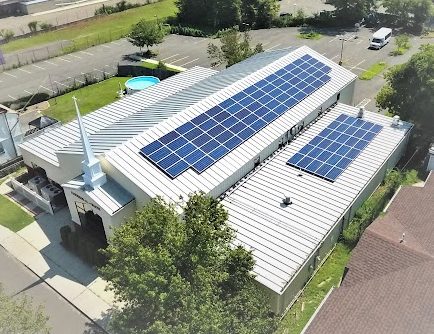
Located in Bridgeport, CT, Cathedral of Faith partnered with PurePoint Energy to install a high-performance commercial solar system designed to reduce long-term operating costs and create new financial opportunities for the church. The solar system creates clean energy during operation, providing a sustainable and environmentally friendly power source. Renewable energy sources such as sunlight, wind, and water are naturally replenished and will not run out.
This 32.3 kW solar installation in Bridgeport, CT, helps the church generate clean, renewable energy while lowering monthly utility expenses. By reducing overhead costs, Cathedral of Faith can direct more resources toward what matters most — worship services, ministry programs, and community outreach initiatives.
The project also supports the church's business and commerce activities by reducing operational costs and enabling new financial opportunities, strengthening its ability to serve the community and pursue commercial success. Switching to clean energy is essential for reducing emissions that cause global warming.
With the benefits of solar energy established, let's take a closer look at the specific details of the Cathedral of Faith project.
Project Overview
|
Detail |
Description |
|---|---|
|
Location |
Bridgeport, Connecticut |
|
Project Type |
Non-profit / House of Worship |
|
System Capacity |
32.3 kW |
|
Expected Year 1 Production |
41,201 kWh |
|
Solar Panels |
98 SunPower 330 COM modules |
|
Inverters |
2 Fronius inverters with integrated disconnect |
|
Incentive Program |
Connecticut ZRECs |
The solar panels were positioned to maximize sunlight exposure and overall system performance.
Now that we've outlined the project details, let's walk through the installation and implementation process.
Installation and Implementation
-
Site Assessment: Evaluate sunlight exposure, roof orientation, available space, and local building codes to ensure optimal solar performance.
-
Panel Positioning: Install panels on rooftops or solar parks to maximize sunlight capture.
-
Inverter Connection: Connect panels to an inverter to convert direct current (DC) to alternating current (AC) for use in buildings.
-
Grid Integration: Link the system to the power grid to feed excess electricity back to the utility, earning credits or payments.
-
Ongoing Maintenance: Regularly clean panels and monitor system performance to maintain efficiency.
This streamlined process enables organizations to generate clean electricity, reduce reliance on traditional power, and support sustainability.
Technical Specifications
The Cathedral of Faith solar system uses highly efficient Tier 1 Bloomberg solar panels, known for their reliability and performance. These advanced photovoltaic (PV) panels convert sunlight into clean electricity, helping the church maximize energy production and reduce costs. Designed to withstand various weather conditions, the panels ensure long-lasting durability and consistent output.
By choosing top-tier solar PV technology, the church benefits from a sustainable energy source that supports its mission while lowering utility expenses and carbon footprint.
Delivering Financial Savings for a Bridgeport, CT Non-Profit
For non-profit organizations and churches in Bridgeport, CT, managing operating expenses is essential to sustaining programs and services. In regard to financial planning, the church now has greater stability due to predictable energy costs.
This solar project was designed to provide significant monthly and annual savings by offsetting electricity usage with clean solar power. In addition to reduced utility costs, the church benefits from Connecticut’s ZREC incentive program, which provides a recurring revenue stream through quarterly utility payments. The church's access to Connecticut’s ZREC incentive program enhances the project's financial benefits.
These savings help Cathedral of Faith reinvest in its mission and continue serving the Bridgeport, CT community.
The solar market in the United States has grown at an average rate of 25% each year over the last decade, highlighting the increasing adoption of solar by non-profits and businesses.
With financial savings established, it's important to consider the environmental impact of solar panels.
Environmental Impact of Solar Panels
Year One Production
The Cathedral of Faith solar system is estimated to produce 41,201 kWh in year one, delivering a meaningful environmental impact in Bridgeport, Connecticut and beyond.
Greenhouse Gas Emissions

Solar power is a renewable and infinite energy source that creates no harmful greenhouse gas emissions.
Equivalent environmental benefits include:
-
6.6 passenger vehicles removed from the road for one year
-
3,450 gallons of gasoline offset
-
1,026 incandescent bulbs replaced with LED efficiency
-
36.1 acres of U.S. forest carbon absorption equivalent
Life-Cycle Impact
Renewable energy sources produce minimal to no greenhouse gas emissions, directly fighting climate change. The carbon footprint of manufacturing solar panels is less than 1kg CO/Wp, and this is expected to fall as manufacturers use more clean electricity and recycled materials. The life-cycle greenhouse-gas emissions of solar farms are less than 50 grams per kilowatt-hour, but with battery storage could be up to 150 grams per kilowatt-hour. Solar power is cleaner than electricity from fossil fuels and does not lead to harmful emissions during operation, though the production of panels creates some pollution. After an initial carbon payback time of several years, solar power offers clean energy for the remainder of their 30-year lifetime.
Understanding the environmental impact, let's look at how solar farms and community engagement play a role in the broader adoption of solar energy.
Helping Non-Profits Go Renewable Energy in Bridgeport, CT
This project highlights how commercial solar can be harnessed by churches, schools, and non-profit organizations in Bridgeport, CT to reduce expenses, improve sustainability, and create long-term financial stability.
PurePoint Energy specializes in helping organizations across Connecticut navigate solar design, incentives, and financing solutions that align with their operational goals.
Frequently Asked Questions (FAQs) About Solar Projects
What types of solar technologies are commonly used in commercial solar projects?
Commercial solar projects often use photovoltaic (PV) panels that convert light into electrical energy through the photovoltaic effect. Other technologies include solar heating and cooling systems and concentrated solar power (CSP), which uses mirrors to concentrate sunlight and generate heat for electricity production on a large scale.
Can solar power generate electricity during bad weather or cloudy days?
Yes, solar panels can still generate electrical energy on cloudy days or in bad weather, although their efficiency may be reduced. Photovoltaic panels use light, including diffuse sunlight, to produce electric current, making solar power a reliable renewable energy source even in less sunny conditions.
How does solar energy contribute to environmental sustainability?
Solar energy is a clean, renewable source that produces minimal greenhouse gas emissions during operation. It helps reduce air pollution and lowers emissions that cause global warming. The carbon footprint of solar panel manufacturing is decreasing due to recycling and clean energy investments, making solar power an essential tool in combating climate change.
What financial incentives are available for commercial solar projects?
Many regions offer incentive programs such as Connecticut’s ZREC program, which provides recurring revenue streams through utility payments. Additionally, solar leases, power purchase agreements (PPAs), tax credits, and rebates can significantly reduce upfront costs and improve the financial viability of solar installations.
What is the typical lifespan and maintenance requirement for solar panels?
Solar panels typically last over 25 years and require minimal maintenance, mainly regular cleaning and performance monitoring. Advances in solar technologies and materials, including innovations in semiconductor materials, contribute to their durability and long-term performance.
How does solar power improve energy security for commercial and residential users?
Solar power reduces reliance on fossil fuels and foreign energy sources by harnessing the sun’s abundant energy. It provides localized renewable energy, enhancing energy security and stability for both commercial and residential users.
Are there environmental concerns associated with large-scale solar farms?
While solar farms require large areas of land, their ecological impact is generally minimal. Some concerns include potential local temperature increases and water usage in concentrated solar power plants. However, innovations such as agrivoltaics and floating solar installations help optimize land use and reduce environmental footprints.
How is electricity from solar panels integrated into the power grid?
Solar systems convert sunlight into direct current (DC) electricity, which is then converted into alternating current (AC) by inverters for compatibility with the electrical grid. Excess electricity can be fed back into the grid, often earning credits through net metering programs, supporting grid stability and energy distribution.
What role does investment and innovation play in the development of solar energy?
Ongoing investment in solar technologies and infrastructure drives innovation, improving efficiency, reducing costs, and expanding large-scale solar generation. Scientific discoveries, such as the photovoltaic effect and advancements in materials like perovskite solar cells, continue to enhance solar power’s potential worldwide.
How do solar projects support community and commercial development?
Solar projects reduce operational costs for commercial entities and non-profits, enabling reinvestment in core activities. They also create jobs in installation, manufacturing, and maintenance, contributing to economic development and supporting sustainable growth in communities.
